How Important is your Waist Circumference to your Health?

Let’s look at your waist circumference.

What you weigh can matter but your weight circumference may matter more.

Waist Circumference (AKA “Belly Fat”):

Do you remember the fruity body shape descriptions being like an “apple” or a “pear”? The apple is round around the middle and the pear is rounder around the hips/thighs.

THAT is what we’re talking about here.

Do you know which shape is associated with a higher risk of sleep apnea, blood sugar issues (e.g. insulin resistance and diabetes) and heart issues (high blood pressure, blood fat, and arterial diseases)?

It’s the apple!

And it’s not because of the subcutaneous (under the skin) fat that you may refer to as a “muffin top”. The health risk is actually due to the fat inside the abdomen covering the liver, intestines and other organs there.

This internal fat is called “visceral fat” and that’s where a lot of the problem actually is. It’s this “un-pinchable” fat.

The reason the visceral fat can be a health issue is because it releases fatty acids, inflammatory compounds, and hormones that can negatively affect your blood fats, blood sugars, and blood pressure.

And the apple-shaped people tend to have a lot more of this hidden visceral fat than the pear-shaped people do.

So where your fat is stored is more important that how much you weigh.

Am I an apple or a pear?

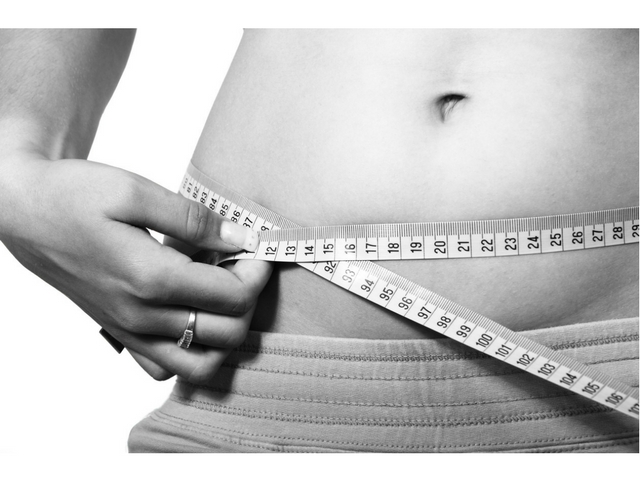
It’s pretty simple to find out if you’re in the higher risk category or not. The easiest way is to just measure your waist circumference with a measuring tape.

Women, if your waist is 35” or more you could be considered to have “abdominal obesity” and be in the higher risk category. Pregnant ladies are exempt, of course.

For men the number is 40”.

Of course this isn’t a diagnostic tool. There are a lot of risk factors for chronic diseases. Waist circumference is just one of them.

Reducing the size of your waste circumference is a positive step for improving your health.  Here are some suggestions to get you going.

Tips for helping reduce some belly fat:

  • Eat more fiber. Fiber can help reduce belly fat in a few ways. First of all it helps you feel full and also helps to reduce the amount of calories you absorb from your food. Some examples of high-fiber foods are brussel sprouts, flax and chia seeds, avocado, and blackberries.
  • Add more protein to your day. Protein reduces your appetite and makes you feel fuller longer. It also has a high TEF (thermic effect of food) compared with fats and carbs and ensures you have enough of the amino acid building blocks for your muscles.
  • Nix added sugars. This means ditch the processed sweetened foods especially those sweet drinks (even 100% pure juice).
  • Move more. Get some aerobic exercise. Lift some weights. Walk and take the stairs. It all adds up.
  • Stress less. Elevated levels in the stress hormone cortisol have been shown to increase appetite and drive abdominal fat.
  • Get more sleep. Try making this a priority and see how much better you look and feel.


Recipe (High fiber side dish): Garlic Lemon Roasted Brussels Sprouts

Serves 4

1 lb Brussels sprouts (washed, ends removed, halved)

2-3 cloves of garlic (minced)

2 tablespoons extra virgin olive oil

2 teaspoons fresh lemon juice

dash salt and pepper

Directions

  1. Preheat oven to 400F.
  2. In a bowl toss sprouts with garlic, oil, and lemon juice. Spread on a baking tray and season with salt and pepper.
  3. Bake for about 15 minutes. Toss.
  4. Bake for another 10 minutes.


Serve and Enjoy!

Tip: Brussel sprouts contain the fat-soluble bone-loving vitamin K.


References:

http://www.precisionnutrition.com/research-abdominal-fat-and-risk

http://www.precisionnutrition.com/visceral-fat-location

http://www.drsharma.ca/inspiring-my-interest-in-visceral-fat

https://www.hsph.harvard.edu/obesity-prevention-source/obesity-definition/abdominal-obesity/

http://www.hc-sc.gc.ca/fn-an/nutrition/weights-poids/guide-ld-adult/qa-qr-pub-eng.php#a4

https://authoritynutrition.com/6-proven-ways-to-lose-belly-fat/

https://authoritynutrition.com/20-tips-to-lose-belly-fat/


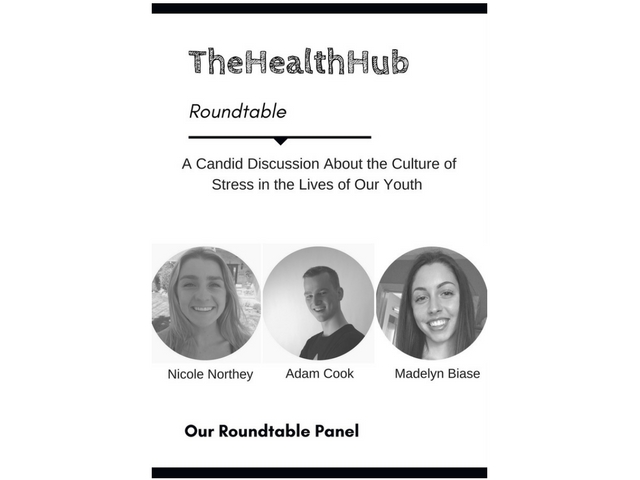
This Week On TheHealthHub we are airing one of our most popular episodes Millennials & Stress

Every Tuesday from 11am -12pm I host The Health Hub, an interactive, forward thinking talk show on Radio Maria Canada.   Call, tweet or email your questions as together we explore health issues that are relevant to you from new and innovative points of view.

This Week on TheHealthHub

A replay of one of our most popular shows

Millennials & Stress

with

Nicole Northey, Adam Cook & Maddy Biase

With many students heading in to midterms we wanted to replay this very popular episode.  This episode is a roundtable discussion with Nicole Northey, Adam Cooke & Maddy Biase about the culture of stress in the lives of our youth.


Follow us on Social Media


TheHealthHub is now on SoundCloud!

Follow us and don’t miss a single episode!


How To Listen

Visit our website and learn how to listen to our show each week.
http://www.radiomaria.ca/how-to-listen

Here’s how to connect with us:
Email: thh@radiomaria.ca

Twitter: @radiomariaCAN

Twitter: @cathy_biase

Facebook: https://www.facebook.com/TheHealthHubRadioMaria/


Let us know!

If you have a health topic that you would like us to discuss or are a health care specialist who wants to be a guest on our show let us know!

Here is our email.  We would love to hear from you!
thh@radiomaria.ca

How to Cook the Perfect Hard Boiled Egg

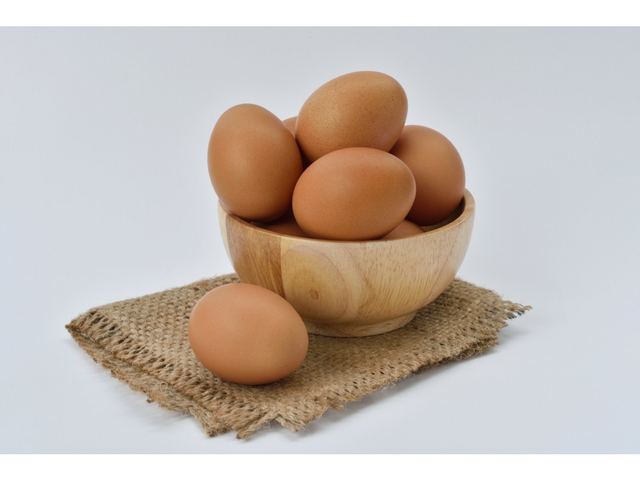
I love eggs and I am proud of it!  Eggs are economical, can be cooked in so many different ways and they offer great nutritional value.  And yes I eat the whole thing because an egg is a whole food and I like whole foods.  The 2 components of the egg each offer a unique nutrient profile.

Eggs are a great source of protein.  1 large egg contains approximately 6 grams of protein and it is in the egg white that most of it is found.

The egg yolk has about half of the protein of the egg white but offers a heavy nutrient hit.  The yolk of an egg provides vitamins A, D, E and K, the antioxidants lutein and zeaxanthin and the valuable nutrient choline.

The most common question I get around meal planning is “Can you give me some snack ideas?”.  Well yes I can.  Have a hard boiled egg!  You can make a few at a time, keep them in the fridge and grab one when you need it.  Perfect for convenience and time management.  Do you see why I love eggs!

Cooking the Perfect Hard Boiled Egg

I have tried various techniques for cooking hard boiled eggs but find this one to be the best:

  1. Put your eggs in to a pot and cover with cold water
  2. Turn the heat to high
  3. When the water comes to a good rolling boil turn off heat and cover the pot with a lid
  4. Set your timer for 20 minutes
  5. When your timer goes off drain the water and then cover the eggs with cold water.  This last step helps the shell to come off easier
  6. Once your eggs are cooled, drain the water and your eggs are ready to eat or to be stored in the fridge

So that’s it in an egg shell:)

This technique has never failed me.  Give it a shot and if you feel like letting my know how it goes I would love the feedback.


This Week on TheHealthHub…Bringing Gratitude in to our Lives with Gregg Krech

Every Tuesday from 11am -12pm I host The Health Hub, an interactive, forward thinking talk show on Radio Maria Canada.   Call, tweet or email your questions as together we explore health issues that are relevant to you from new and innovative points of view.

This Week on TheHealthHub…

Bringing Gratitude in to our Daily Lives with Gregg Krech

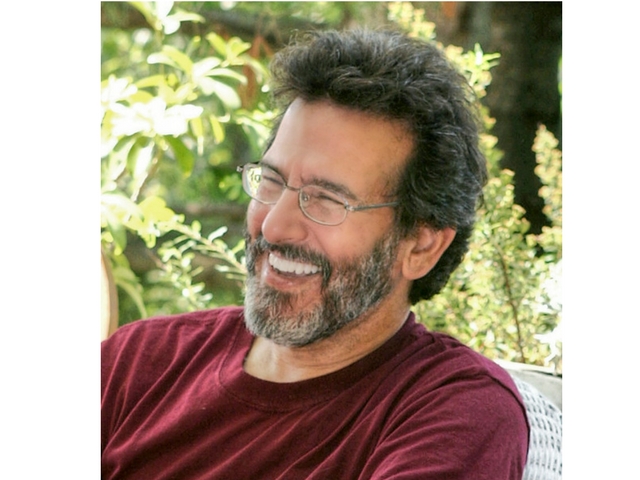
Gregg Krech is one of the leading authorities on Japanese Psychology in North America.  He is the author of 5 books including, A Natural Approach to Mental Wellness: Japanese Psychology and the Skills We Need for Psychological and Spiritual Health.  Krech is the editor of Thirty Thousand Days: A Journal for Purposeful Living and his work has appeared in Cosmopolitan, Experience Life, Utne Reader, The SUN, Counseling Today and Spirituality & Health Magazine.  His first book on Naikan reflection, Naikan: Gratitude, Grace and the Japanese Art of Self-Reflection, won Spirituality & Health’s award for “Best Books of 2002.”  He has been teaching an online course on Mindfulness & Attention for 20 years and has been a keynote speaker at conferences on Mindfulness and Attention Deficit Disorder.  Gregg currently lives in Vermont where he is Director of the ToDo Institute, a non-profit educational center and enjoys writing haiku poems, feeding birds, and playing blues piano.

Contact Information

ToDo Institute


Follow us on Social Media


TheHealthHub is now on SoundCloud!

Follow us and don’t miss a single episode!


How To Listen

Visit our website and learn how to listen to our show each week.
http://www.radiomaria.ca/how-to-listen

Here’s how to connect with us:
Email: thh@radiomaria.ca

Twitter: @radiomariaCAN

Twitter: @cathy_biase

Facebook: https://www.facebook.com/TheHealthHubRadioMaria/


Let us know!

If you have a health topic that you would like us to discuss or are a health care specialist who wants to be a guest on our show let us know!

Here is our email.  We would love to hear from you!
thh@radiomaria.com

Happy Thanksgiving!

Thanksgiving is a wonderful time of year to reflect and give thanks for all of the blessings in our lives.

Here is a small token of my thanks to you for inspiring and encouraging me throughout the year.

This recipe is for Pumpkin Breakfast Cookies.

I hope that you and your family enjoy them as much as we do!

Happy Thanksgiving!