Christmas Meal Planning this Week on The Health Hub

This Week on TheHealthHub

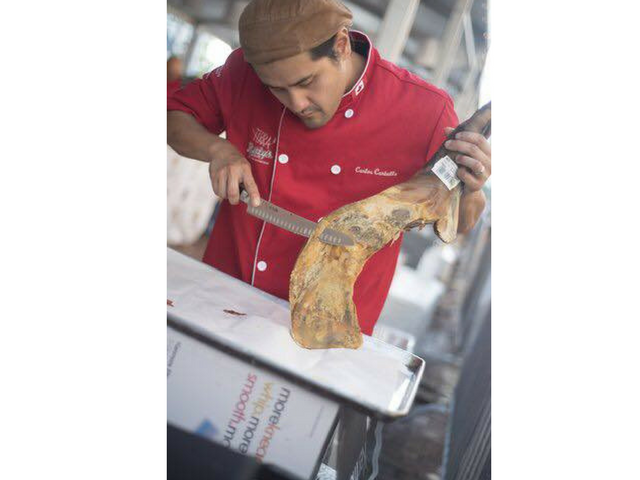
Chef Carlos Carballo

Food and Dining have been an integral part of Chef Carlos Carballo’s life. Having a Spanish-Filipino background, the influence and fusion of both the European and Asian cultures broadened Chef Carlos’ taste, enthusiasm and imagination for food. He knew then from an early age that he wanted to cook. 

Chef Carlos trained in the UK and had the opportunity to travel to some parts of Europe to experience the cuisine first hand.

He worked in 4 countries (UK, Philippines, Canada and Hong Kong) before landing in Toronto where he was given the opportunity of ownership and partnership in the Substance Food Group.  Currently Chef Carlos is the chef at the very successful restaurant Francobollo in Toronto, Ontario and heads up the catering division of Substance Food Group.

Tuesday’s show will cover topics such as:

  • How to make your meals look like they were cooked by a pro
  • Cooking the perfect turkey
  • Christmas cocktails

Listen live or catch the podcast on iTunes!


Every Tuesday from 11am -12pm I host The Health Hub, an interactive, forward thinking talk show on Radio Maria Canada.   Call, tweet or email your questions as together we explore health issues that are relevant to you from new and innovative points of view.

TheHealthHub is now on iTunes!

Subscribe and don’t miss a single episode!


Follow us on Social Media


How To Listen Live

Visit our website and learn how to listen live to our show each week.
http://www.radiomaria.ca/how-to-listen

Here’s how to connect with us:
Email: thh@radiomaria.ca

Twitter: @radiomariaCAN

Twitter: @cathy_biase

Facebook: https://www.facebook.com/TheHealthHubRadioMaria/


Let us know!

If you have a health topic that you would like us to discuss or are a health care specialist who wants to be a guest on our show let us know!

Here is our email.  We would love to hear from you!
thh@radiomaria.ca


Small, sustainable weight loss may reduce risk for breast cancer

Small, sustainable weight loss may reduce risk for breast cancer

By Serena Gordon, HealthDay News  |  Dec. 8, 2017

It’s never too late for women to lose weight to lower their breast cancer risk, a new study suggests.

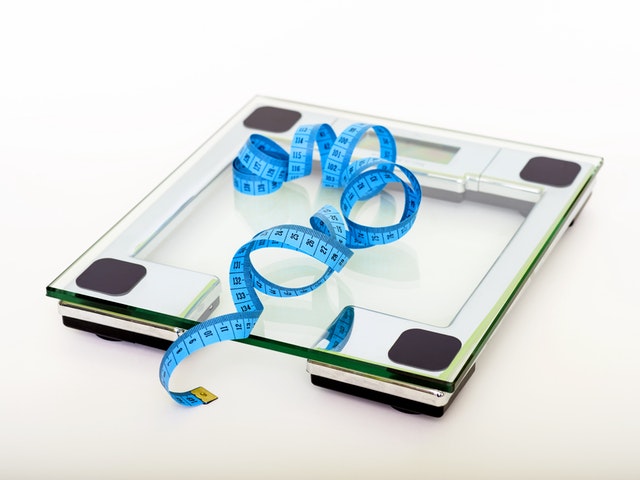
Researchers found that a 5 percent or greater weight loss after menopause could lower the odds of breast cancer by about 12 percent. For a 170-pound woman, a 5 percent weight loss would be 8.5 pounds.

“A modest weight loss that seems to be sustainable could have important health consequences,” said lead study author Dr. Rowan Chlebowski. He’s a research professor in the department of medical oncology and therapeutics research at the City of Hope in Duarte, Calif.

“These are encouraging findings. You don’t have to get to a normal weight to see a benefit, and you don’t need to lose a colossal amount of weight. A 5 percent weight loss is achievable on your own,” Chlebowski added.

Obesity is a known risk factor for breast cancer. But Chlebowski said it hasn’t been clear if losing weight could prevent breast cancer. And if weight loss could make a difference in breast cancer risk, it wasn’t known if there was an optimal time to lose weight.

This study included data on more than 61,000 postmenopausal women from the Women’s Health Initiative, a large, long-running study of older women by the U.S. National Institutes of Health. The women were all ages 50 to 79 when they entered the study between 1993 and 1998. None had a history of breast cancer and all had a normal mammogram when the study began.

Women’s weights were measured at the start of the study and again three years later, Chlebowski said. Their health was then followed for an average of more than 11 years.

During that time, more than 3,000 women developed invasive breast cancer.

From the original group, more than 8,100 women lost 5 percent or more of their body weight. The researchers compared these women to more than 41,100 women whose weight remained stable.

The women whose weight remained stable had an average body mass index (BMI) of 26.7. BMI is a rough estimate of body fat based on height and weight measurements.

A BMI of 18.5 to 24.9 is considered normal, while 25 to 29.9 is overweight and over 30 is considered obese. A 5-foot-6-inch woman who weighs 170 pounds has a BMI of 27.4, according to the U.S. National Heart, Lung, and Blood Institute.

Women who intentionally lost weight in the study started out with a BMI of 29.9.

“Women who had a 5 percent or greater weight loss were heavier and less active,” Chlebowski noted.

The researchers found that when women lost even more weight — 15 percent or more of their body weight — the risk of breast cancer went down 37 percent.

There are a number of factors linked to weight loss, such as less inflammation, that could explain the lower risk of cancer, Chlebowski said. But the study did not prove that weight caused breast cancer risk to drop.

In addition to finding that losing weight was linked to reduced breast cancer risk, the researchers also looked to see what affect gaining weight had. More than 12,000 women gained weight during the study, and overall, that gain didn’t seem to boost the risk of breast cancer.

However, when the researchers looked at specific types of breast cancer, they saw a 54 percent increased risk of a type of cancer called triple negative breast cancer in women who gained weight after menopause.

Chlebowski said it’s not clear why weight gain would boost the risk of this specific cancer.

Dr. Virginia Maurer, chief of breast surgery and director of the breast health program at NYU Winthrop Hospital in Mineola, N.Y., said this is an important study that shows it’s never too late to lose weight.

“Losing weight and increasing exercise are two things you have control over,” said Maurer, who wasn’t involved with the study. “You’ll lower your risk of breast cancer, cardiovascular disease, diabetes, joint diseases and other cancers related to weight.”

She recommends three to four hours of aerobic exercise a week, along with some strength training.

 

This Week on TheHealthHub Sachin Patel

This Week on TheHealthHub

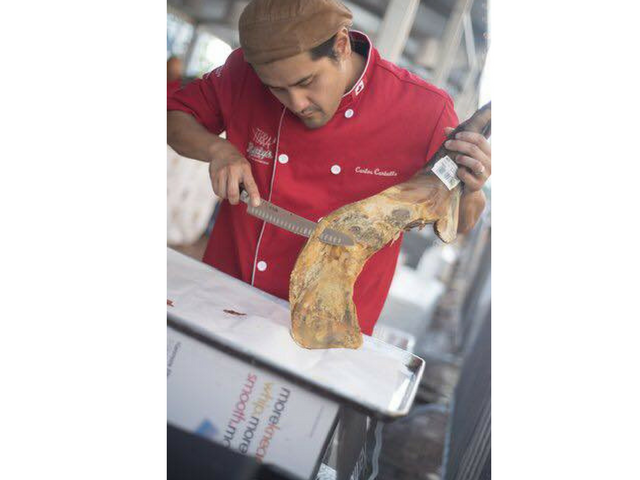
Sachin Patel


Sachin Patel is a father, husband, philanthropist, functional medicine practice success coach, international speaker, and best-selling author. His philosophy is that “The doctor of the future is the patient” and he is actively doing whatever it takes to keep people out of the medical system by empowering them through education, self-care, and remapping their mindset.

Sachin founded The Living Proof Institute as part of his own personal transformation and now coaches practitioners all over the world on how to step into their power and save their communities.

To date he has delivered hundreds of community workshops, he is an advocate for changing the healthcare paradigm and he has devoted his life to the betterment of health care for both patients and practitioners.


Every Tuesday from 11am -12pm I host The Health Hub, an interactive, forward thinking talk show on Radio Maria Canada.   Call, tweet or email your questions as together we explore health issues that are relevant to you from new and innovative points of view.

TheHealthHub is now on iTunes!

Subscribe and don’t miss a single episode!


Follow us on Social Media


How To Listen Live

Visit our website and learn how to listen live to our show each week.
http://www.radiomaria.ca/how-to-listen

Here’s how to connect with us:
Email: thh@radiomaria.ca

Twitter: @radiomariaCAN

Twitter: @cathy_biase

Facebook: https://www.facebook.com/TheHealthHubRadioMaria/


Let us know!

If you have a health topic that you would like us to discuss or are a health care specialist who wants to be a guest on our show let us know!

Here is our email.  We would love to hear from you!
thh@radiomaria.ca


The Profound Effect of Touch


We had an amazing guest on The Health Hub recently, Lydia Denworth, who spoke to us about Affective Touch. Lydia is the author of two acclaimed books of popular science “Toxic Truth: A Scientist, A Doctor and the Battle Over Lead” and “I Can Hear You Whisper: An Intimate Journey through the Science of Sound and Language”. She is a regular contributor to Scientific American and writes the Brain Waves blog for Psychology Today. Her work has also appeared in a wide range of national publications including Newsweek, Time, The Wall Street Journal, The New York Times, and Parents.

Here is a snippet of what we learned.

Affective Touch

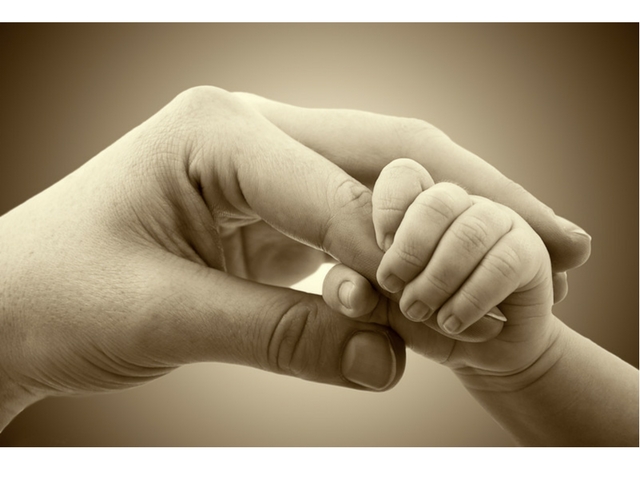
There are five senses: sight, hearing, taste, smell and touch. Of these 5, what would you say if I told you one can affect children at a molecular level? Would you know which one? If you guessed touch, you would be correct. While it is widely accepted that hugging and cuddling are beneficial in nurturing relationships, especially in infants, it is now believed that a loving touch, a slow caress or stroke, can increase the brain’s ability to construct a healthy sense of self.[1] Who knew a simple touch could pack such a powerful punch?!

In the last few years, neurologists have discovered that we have a specialized neurophysiological system – affective or emotional touch. This system consists of nerve fibers triggered by exactly the kind of loving caress a mother gives her child. These new fibers, which are present only in hairy skin such as the forearm or the back and known as C-tactile (CT), are thought to spark the limbic part of the brain which monitors emotion. A recent study of 94 infants over the span of 5 weeks to 4 ½ years at the University of British Columbia showed consistent differences between high-contact and low-contact children at five specific DNA sites. Two of these sites fall within genes: one plays a role in the immune system and the other is involved in metabolism. This same study revealed that

“children who had been more distressed as infants and received less physical contact had a molecular profile in their cells that was underdeveloped for their age.” [2]

Wow!

Touch is the first of our senses to be available to us, as early as in utero. Affective touch is not only physically rewarding, but also has the potential of positive social development. In these times when the lines of acceptable touching seem so blurred, it’s comforting to know that a slow, gentle caress on the arm or back at an early age can set the stage later in life for deciphering what is appropriate versus inappropriate.

So hug your loved ones a little tighter and recognize that you are helping to develop their sense of self as well as their future relationships.


[1] https://www.sciencedaily.com/releases/2013/10/131008132904.htm

[2] https://www.sciencedaily.com/releases/2017/11/171127094928.htm