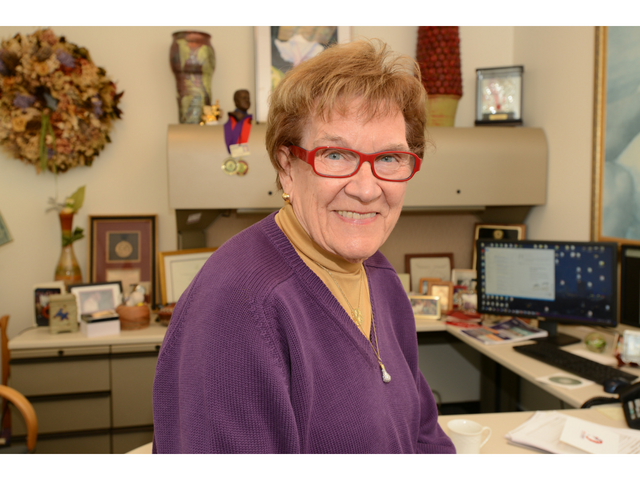
Dr. Sue Griffin received her PhD in Physiology at the University of Rochester’s School of Medicine and Dentistry.
She is the Alexa and William T. Dillard Professor and Vice Chairman of Research at the Donald W. Reynolds Department of Geriatrics at the University of Arkansas for Medical Sciences.
Dr. Griffin is the Director of Research at the Geriatric Research Education and Clinical Center at the Veteran Affairs Medical Centre, a part of the Central Arkansas Veterans Healthcare System and she is Editor-in-Chief of the Journal of Neuroinflammation.
Dr. Griffin’s research interests focus on the mechanisms involved in the progression of Alzheimer’s disease and other neurodegenerative conditions such as Parkinson’s disease, Down Syndrome, head trauma, and epilepsy.
Her research has led to a significant breakthrough in the early detection and treatment of Alzheimer’s, and it has drawn nationwide acclaim for Dr. Griffin, the Donald W. Reynolds Institute on Aging and the University of Arkansas for Medical Sciences.
In 2016 Dr. Griffin received the Lifetime Achievement Award from the Alzheimer’s Association at its International Conference in Toronto.
Learning Points:
How might Dr. Griffin’s latest discovery help in determining future treatment for Alzheimer’s Disease?
What do we know that can help prevent or slow the progression of Alzheimer’s?
What is autophagy and how is that different in people with Alzheimer’s?
Every Tuesday from 11am -12pm I host The Health Hub, an interactive, forward thinking talk show on Radio Maria Canada. Call, tweet or email your questions as together we explore health issues that are relevant to you from new and innovative points of view.
Sharmani Pillay is a Pharmacist and founder of Apothekari Dermaceuticals.
Apothekari’s line of evidence-based skin care solutions results in products that are safe, effective and stable. The line is designed to improve the health, appearance and feel of your skin. With an attention to detail, Apothekari ensures products are formulated with ingredients at optimal concentrations and manufactured to ensure their stability. While the marketing term ‘natural’ may be interpreted in many different ways, this scientific skin care line focuses on treatments that benefit the skin without causing harm.
APOTHEKARI is Free From: Parabens, SLS/SLES, Formaldehyde, Phthalates, Synthetic Fragrances & Colorants, Silicones. Cruelty-Free & Never Tested on Animals.
Sun Protection for Healthy Skin: 5 Tips
It’s well known that unprotected exposure to the sun’s ultraviolet (UV) rays is the leading cause of skin cancer. In fact, melanoma and non-melanoma skin cancer (NMSC) are now the most common types of cancer in white populations with an increasing incidence rate worldwide. On the more positive flip side, both types now have a stable or decreasing mortality rate. (Adv Exp Med Biol. 2014;810:120-40. Epidemiology of skin cancer. Leiter U, Eigentler T, Garbe C.)
It’s thought that the rising incidence rates of skin cancer are probably caused by a combination of:
Increased exposure to ultraviolet (UV) or sun light
Increased outdoor activities
Changes in clothing style
Longer life expectancy
Ozone depletion
Genetics
and in some cases, immune suppression. Additionally, people with many moles, fair skin, a family history of melanoma or certain inherited conditions (xeroderma pigmentosum, retinoblastoma, Li-Fraumeni syndrome, Werner syndrome, and certain hereditary breast and ovarian cancer syndromes), have an increased risk of developing melanoma. Employ extra caution and have regular check-ups with your physician if this is the case.
In this article, let’s look at how to protect your skin from the sun’s harmful effects and help minimize your chances of developing skin cancer.
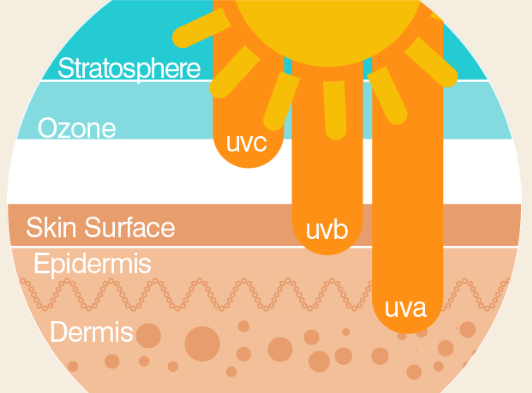
1. Protect Against the Full UV Spectrum. The sun emits 3 types of rays – UVA, UVB and UVC. UVC rays burn off before they reach the earth’s atmosphere so we are left with UVA and UVB rays to worry about.
UVA rays, often referred to as the AGING rays, pass through glass and clouds and are around all year round. They are associated with premature aging of the skin, including wrinkling and sagging and also play a role in basal cell carcinoma, squamous cell carcinoma, and melanoma. UVB rays cause BURNING. They cannot penetrate through windows and are more prevalent during the summer. Responsible for sunburns, they are more closely linked with the development of skin cancer and melanoma. It’s important to protect yourself against both types of rays.
2. Choose a Good Sunscreen. Most health experts including The Canadian Dermatology Association (CDA) recommends the use of a ‘broad spectrum’ sunscreen with a minimum SPF 30 (Sun Protection Factor) to ensure adequate protection against both UVA and UVB rays. An SPF 30 sunscreen blocks about 97% of UVB rays; SPF 60 blocks approximately 99%. Ensure that the formulation you use contains ingredients that are photo-stable, meaning that they won’t degrade upon exposure to sunlight. Choosing an effective formulation can be confusing – this chart helps to break things down. https://apothekari.com/2018/06/safest-sunscreen/ If you will be exercising, swimming or perspiring heavily opt for a water resistant formulation to ensure that your sunscreen stays on and remember to reapply often.
3. Apply Sunscreen Every Day. Sunscreen should be applied daily, year round, even in winter. Winter sun won’t result in sunburns, but the damaging effects of UVA rays not only prematurely age skin, but also contribute to the development of skin cancer.
4. Apply Enough. Studies have shown that most of us don’t apply enough sunscreen, leaving us without adequate protection. How much to apply? Apply generously and follow the guideline of “1 ounce, enough to fill a shot glass,” which dermatologists consider the amount needed to cover the exposed areas of the body. 1/4 teaspoon is generally considered enough for the face. Apply sunscreen to dry skin 15 minutes BEFORE going outdoors. Don’t forget your lips, ears, hands, feet and décolleté if they will be exposed. Reapply sunscreen approximately every 2 hours or after swimming or perspiring as per container instructions.
5. Employ Smart Sun Habits. While the importance of sunscreen shouldn’t be downplayed, it’s just as important to practice smart sun habits:
Limit sun exposure between 10:00 AM and 4:00 PM, when the sun’s rays are most intense.
Seek shade.
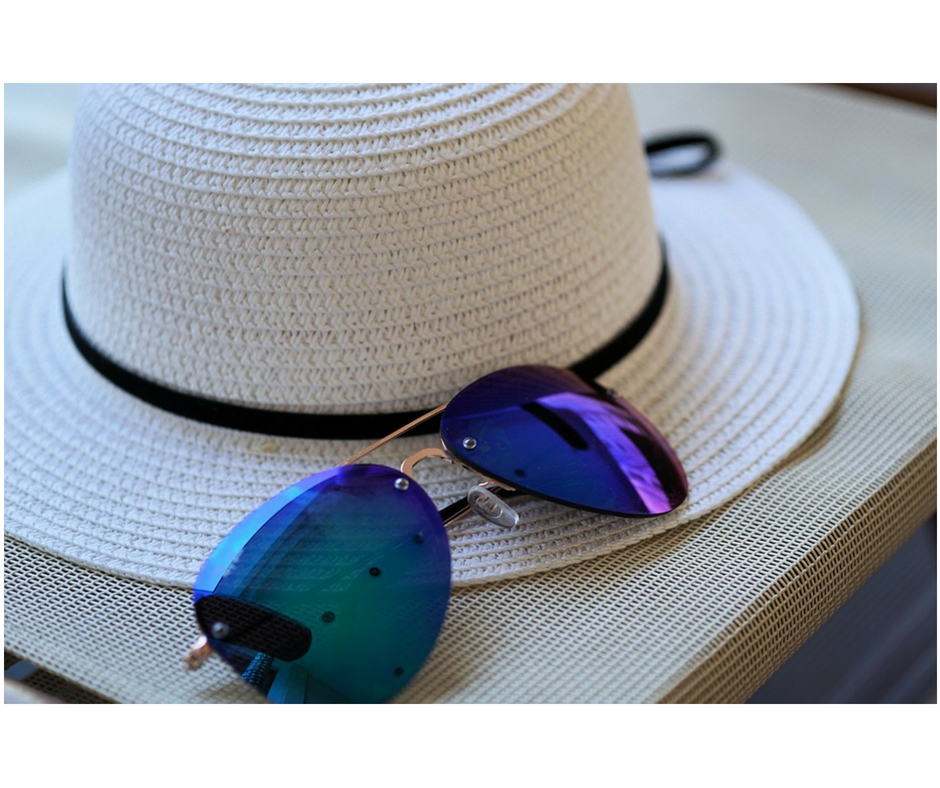
Cover up with sun-protective clothing, including long sleeves, pants and a wide-brimmed hat that shades the face, neck, and ears. UV-protective sunglasses are also recommended.
Be careful around reflective surfaces. Water, snow, and sand reflect UV rays and increase your risk of sunburn.
Certain medications and skin conditions can increase your sun sensitivity. Check with your doctor or pharmacist if you’re not sure.
What About Vitamin D?
We need sunshine to produce Vitamin D so you may be concerned that sun protection will reduce your body’s production of vitamin D. While this is true, some research suggests that less than 15 minutes of sunlight exposure may be enough for most people to produce enough vitamin D. If you have darker skin or are older, discuss with your doctor how to get enough vitamin D in your diet or with supplements.
Sun protection not only promotes healthy and youthful looking skin, it also helps to minimize your risk for the development of skin cancer. Be safe in the sun this summer!
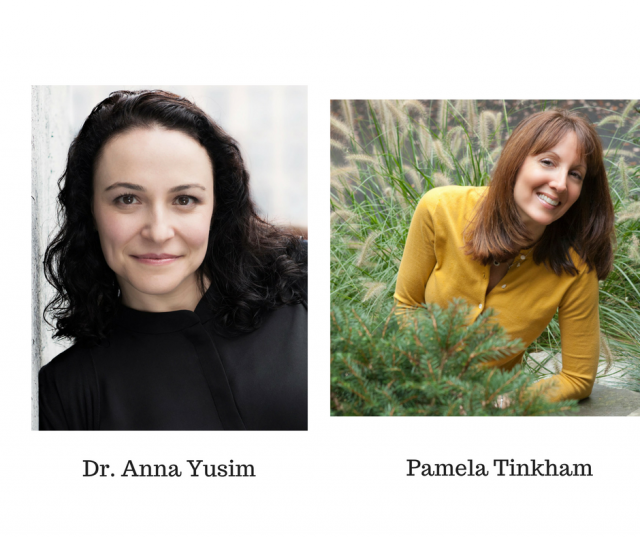
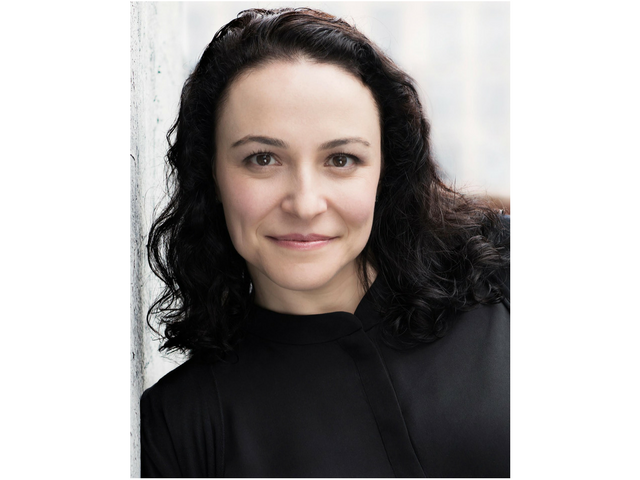
Anna Yusim, M.D. is an award-winning, internationally recognized psychiatrist, keynote speaker, and best-selling author of Fulfilled: How the Science of Spirituality Can Help You Live a Happier, More Meaningful Life. She has a psychiatry practice in Manhattan where she has helped over 1,000 patients. After working as a neurobiology researcher with Dr. Robert Sapolsky, Ph.D. and completing her studies at Stanford University, Yale Medical School, and the NYU Psychiatry Residency Training Program, Dr. Yusim felt that something was missing from her life. In her quest to find it, she traveled, lived and worked in over 50 countries, while studying Kabbalah, learning Buddhist meditation, and working with South American shamans and Indian gurus. She lives in Manhattan with her husband.
Pamela Tinkham, LCSW, C-IAYT, SEP, is a Licensed Clinical Social Worker, a Certified Yoga Therapist and a Somatic Experiencing Practitioner. She is the author of Healing Trauma from the Inside Out: Practices from the East and West and she presents herself as a Yoga-Psychotherapist. She holds a Master’s degree in Social Work from Fordham University where she graduated with honors and now has an adjunct teaching position, and a Bachelor of Arts degree in Dance from Butler University. She also holds national certifications from The Yoga Alliance, the American College of Sports Medicine, and the American Council on Exercise. She was certified as a Reiki Master in 2010. Pamela is licensed in Connecticut, New York, and Idaho and treats adolescents and adults with anxiety, depression, relationship issues and trauma. She has a private practice in Stamford, CT and also works remotely via Skype, FaceTime and Zoom.
Learning Points
What is missing in Western medicine that prevents us from healing?
Where are we limited in our scientific understanding of the mind?
Every Tuesday from 11am -12pm I host The Health Hub, an interactive, forward thinking talk show on Radio Maria Canada. Call, tweet or email your questions as together we explore health issues that are relevant to you from new and innovative points of view.
Dr. Burns is Professor in the Department of Neurobiology & Developmental Sciences College of Medicine at the University of Arkansas for Medical Sciences received his BA from Hartwick College in New York in 1961 with a Major in Biology, his Masters from the University of Maine in 1963 and his Ph.D. from the Department of Anatomy, Tulane University School of Medicine, New Orleans, Louisiana in 1967 with a dissertation in experimental oncology and a minor in human pathology. Dr. Burns then completed a 1 yr National Institutes of Health Postdoctoral Fellowship in cancer research and human cancer pathology at the George Washington University in Washington DC, before joining the University of Arkansas for Medical Sciences
His career research interest is experimental oncology in mouse models focused on the best time in the host’s circadian rhythm to give anti-cancer chemotherapy drugs and produce less organ toxicity and more long-term cures, i.e. chronochemotherapy. He has 105 scientific publications, which played a role in mouse-based chronochemotherapy eventually moving into successful human chronochemotherapy clinical trials by others. His honors include: 1) a 5 yr Research Career Development Award from the National Cancer Institute in the 1970’s to train in chronobiology under the mentorship of Lawrence Scheving, Ph.D. a chronobiologist and former President of the International Society of Chronobiology, 2) Distinguished Alumnus, Hartwick College, 3) Lutterloh Professor of Medical Education Excellence, 4) Master Teacher and Chancellor’s Teaching Awards at UAMS. He also has publications in the areas of Medical Student Education and Professional Development in health science content for PreK- Grade 12 teachers and school nurses.
Learning Points:
What is Chrono Chemotherapy?
What is research suggesting about our body clocks and their possible impact on the timing of chemotherapy?
What is research suggesting about our body clocks and reducing toxicity of chemotherapy?
Every Tuesday from 11am -12pm I host The Health Hub, an interactive, forward thinking talk show on Radio Maria Canada. Call, tweet or email your questions as together we explore health issues that are relevant to you from new and innovative points of view.