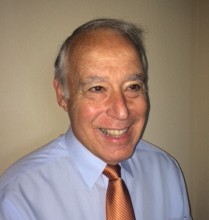
This Week on The Health Hub…Chronobiology of Hypertension with Dr. Michael Smolensky

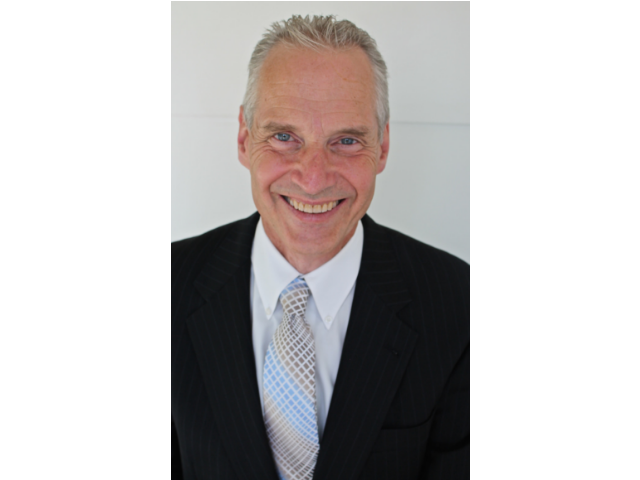
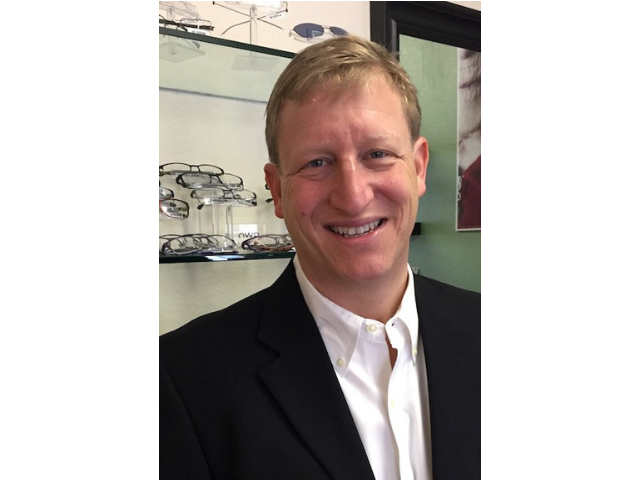
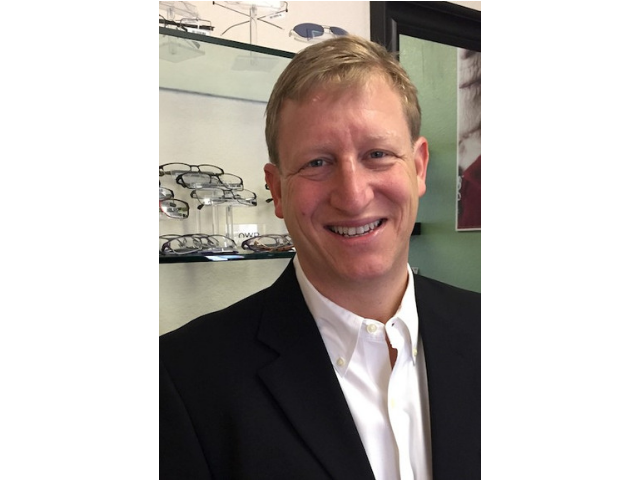
Dr. Smolensky earned his bachelor, master, and doctoral degrees from the University of Illinois. His training and expertise focus on the areas of chronobiology (biological rhythms) and the environmental, and medical sciences. For 37 years he was Professor of Environmental Physiology in the Division of Environmental and Occupational Health Sciences at the University of Texas-Houston School of Public Health and was affiliated with the Sleep and Pulmonary Medicine Division of the University Texas-Houston School of Medicine. Currently he is Adjunct Professor of Biomedical Engineering at The University of Texas at Austin, Visiting Professor at University of Houston School of Pharmacy, Consultant to the Sleep Medicine Fellows Program McGovern School of Medicine, University Texas-Houston Health Science Center, and President of the American Association for Medical Chronobiology and Chronotherapeutics. He is also a Fellow of the American Institute for Medical and Biomedical Engineering.

Dr. Smolensky is a leader in the field of medical chronobiology. He founded and for 10 years directed the Memorial-Hermann Center for Chronobiology and Chronotherapeutics in Houston — the first polyclinic to incorporate biological rhythm methods to diagnose and treat disease. He was founder and long-time co-editor of both Chronobiology International and the Annual Review of Chronopharmacology. He has organized or co-organized 10 international biological rhythm conferences.

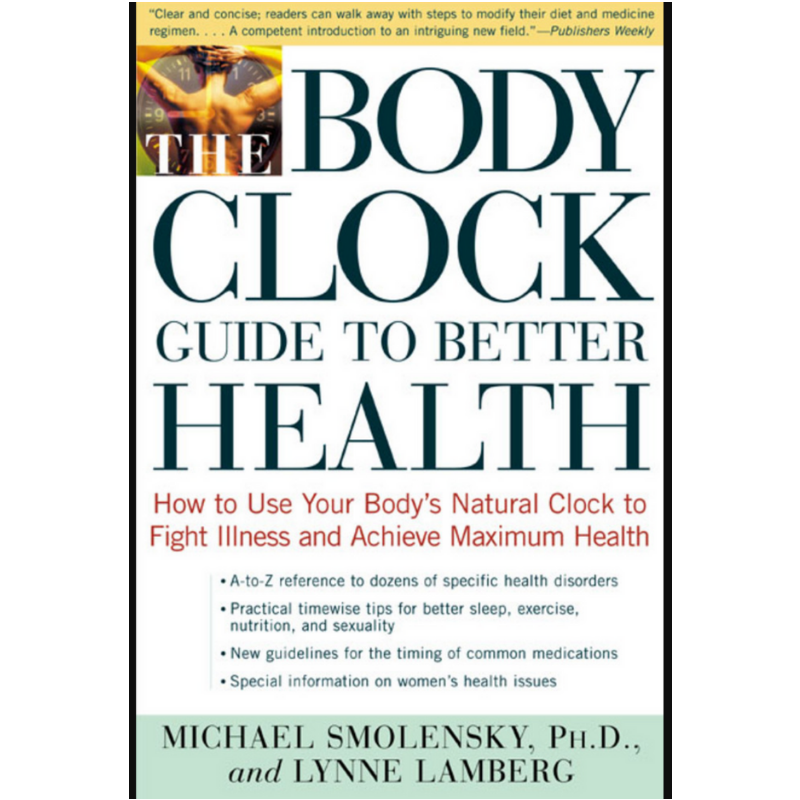
Dr. Smolensky is the author or co-author of more than 365 scientific and clinical journal articles and book chapters, books, and continuing education monographs for physicians, pharmacists, and academic scientists. He is also co-author with Lynne Lamberg of the popular book, The Body Clock Guide to Better Health.

Dr. Smolensky is best known for his research on the chronobiology and chronotherapy of hypertension, heart disease, pulmonary disorders, and sleep; he is also expert on the health effects of shift work and light at night exposure. He has served as a consultant and advisor to governmental agencies in the USA and abroad.
 

Learning Points:

  • What is the clinical definition of high blood pressure?
  • Does blood pressure exhibit predictable circadian rhythm?
  • Is there an optimal time to take blood pressure medication?
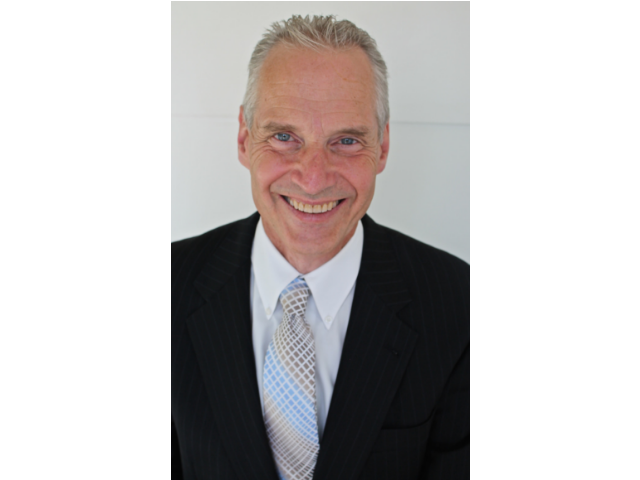
This Week on The Health Hub…The End of Alzheimer’s? A Differential Diagnosis Toward a Cure with Dr. Thomas Lewis


Dr. Thomas J. Lewis is a Medical Scientist. He holds a Ph.D. in Chemistry from MIT and certification from the Harvard School of Public Health. He is an entrepreneur and healthcare professional with expertise in toxic substances, drug development, biotechnology, health technology, and medical protocol development. For the past 12 years he has worked closely with senior researchers and clinicians at Harvard Medical School and has developed a program for chronic disease root cause prevention, screening, diagnosis, and treatment. Alzheimer’s disease and the most serious eye diseases, macular degeneration and glaucoma have been a particular focus. 

Learning Points:

  • What are vital present and future interventions for Alzheimer’s disease?
  • From current research are there strategies for preventing Alzheimer’s disease?
  • Are there relevant diagnostic test for Alzheimer’s disease?


Listen live or catch the podcast on iTunes and SoundCloud!


Every Tuesday from 11am -12pm I host The Health Hub, an interactive, forward thinking talk show on Radio Maria Canada.   Call, tweet or email your questions as together we explore health issues that are relevant to you from new and innovative points of view.

TheHealthHub is now on iTunes!

Subscribe and don’t miss a single episode!


Follow us on Social Media


How To Listen Live

Visit our website and learn how to listen live to our show each week.
http://www.radiomaria.ca/how-to-listen


Let us know!

If you have a health topic that you would like us to discuss or are a health care specialist who wants to be a guest on our show let us know!

Here is our email.  We would love to hear from you!
thh@radiomaria.ca


Oncologists Endorse Integrative Therapies for Breast Cancer Patients

Perhaps the best way to start here is to give you an understanding of what Integrative Oncology is.

Integrative oncology is a patient-centered, evidence-informed field of cancer care that utilizes mind and body practices, natural products, and/or lifestyle modifications from different traditions alongside conventional cancer treatments. Integrative oncology aims to optimize health, quality of life, and clinical outcomes across the cancer care continuum and to empower people to prevent cancer and become active participants before, during, and beyond cancer treatment.¹

So let’s break this down. In its purest form Integrative oncology uses evidence-based complementary therapies with conventional cancer care. It is meant to work with standard of care allopathic cancer treatments i.e. surgery, chemotherapy and radiation not in place of them. Integrative oncology considers the whole person, mind, body and spirit providing a health protocol to work alongside the medical one.

It is estimated that between 60 to 80 percent of cancer patients use at least one form of integrative medicine following a cancer diagnosis². Frequently met with resistance from oncologists, cancer patients are often faced with a decision of hiding therapies from their doctors or eliminating them while in active treatment.

But, at least for breast cancer patients, the tide is changing. An expert panel from American Society of Clinical Oncology, ASCO, recently endorsed clinical practice guidelines for integrative therapies presented by the Society for Integrative Oncology, SIO.

“If patients are using these therapies in addition to effective scientifically proven cancer therapies and their doctors are aware of it, we’re comfortable with it,” said ASCO senior statesman Dr. Gary Lyman of Fred Hutchinson Cancer Research Center…The only time it becomes an issue is when these are not disclosed or are used instead of conventional effective therapies.”³

Not all therapies were endorsed but the following have been:

  • Music therapy, meditation, stress management, and yoga are recommended for anxiety/stress reduction.
  • Meditation, relaxation, yoga, massage, and music therapy are recommended for depression/mood disorders.
  • Meditation and yoga are recommended to improve quality of life.
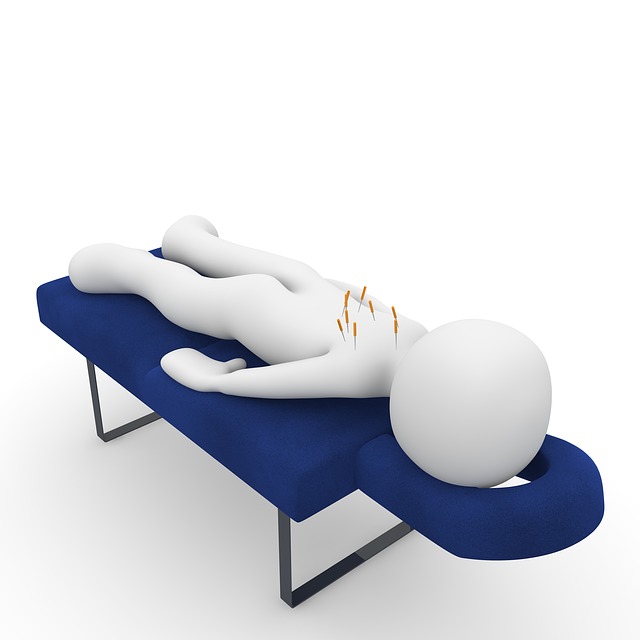
  • Acupressure and acupuncture in addition to anti-nausea medications are recommended for reducing chemotherapy-induced nausea and vomiting.

It is noted that breast cancer was selected by SIO because it has the largest patient population and the largest amount of scientific data.

ASCO’s endorsement for these therapies is not only a positive step for breast cancer patients but for the area of Integrative Oncology as a whole.


References

¹http://www.ascopost.com/issues/february-10-2018/the-state-of-integrative-oncology-a-new-era/

²https://medicalxpress.com/news/2018-06-asco-endorses-oncology-guidelines-breast.html

³https://www.fredhutch.org/en/news/center-news/2018/06/asco-endorses-integrative-oncology-guidelines-for-breast-cancer-patients.html

http://www.ascopost.com/News/55552

https://www.sciencedaily.com/releases/2018/06/180612092128.htm


This Week on The Health Hub…The Ocular Biome: The Microbiome in Your Eyes with Dr. Harvey Fishman


Dr. Fishman received a Bachelor of Science degree in Chemistry and a PhD in Physical-Analytical Chemistry at Stanford working in the area of lasers, microfluidics, and neuroscience. After his PhD, Dr. Fishman went on to earn his MD from Stanford and conducted post-doctoral research in Neurobiology working in the field of optic nerve regeneration.  After completing a medical internship in San Francisco, Dr. Fishman joined Stanford Ophthalmology to become the founder and director of the Ophthalmic Tissue Engineering Laboratory where he was awarded one of the first BIO-X grants on his work on an implantable artificial retina prosthesis.  After completing his residency training in advanced ocular surgery and medical treatment for eye diseases at Stanford, Dr. Fishman started his own concierge ophthalmology practice in Palo Alto where he conducts both basic science and clinical research in ocular surface disease and novel diagnostics for dry eye, cancer detection, and the ocular microbiome. Dr. Fishman has a special interest in digital health and has co-founded 3 companies in tele-ophthalmology.  Dr. Fishman has co-authored 34 Peer-reviewed Publications, 11 U.S. Patents, and his research has been highlighted in Scientific American, The Economist, JAMA, Technology Review: An MIT Enterprise, and recently in Ophthalmology Times.


Learning Points:

  • What is the Ocular Biome?
  • How can we improve the health of our Ocular Biome?
  • What are symptoms of an unhealthy Ocular Biome?


Listen live or catch the podcast on iTunes and SoundCloud!


Every Tuesday from 11am -12pm I host The Health Hub, an interactive, forward thinking talk show on Radio Maria Canada.   Call, tweet or email your questions as together we explore health issues that are relevant to you from new and innovative points of view.

TheHealthHub is now on iTunes!

Subscribe and don’t miss a single episode!


Follow us on Social Media


How To Listen Live

Visit our website and learn how to listen live to our show each week.
http://www.radiomaria.ca/how-to-listen


Let us know!

If you have a health topic that you would like us to discuss or are a health care specialist who wants to be a guest on our show let us know!

Here is our email.  We would love to hear from you!
thh@radiomaria.ca